
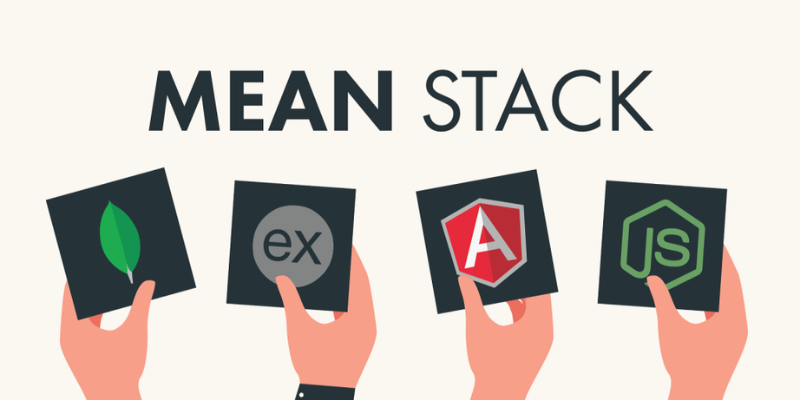
In today’s rapidly changing web development landscape, there is a greater. need than ever for full-stack engineers who can efficiently manage both frontend and backend responsibilities. Among the various technologies available. the MEAN Stack has emerged as one of the most powerful and adaptable frameworks for developing modern, scalable online applications. It combines four important technologies: MongoDB, Express.js, Angular, and Node.js. To provide a unified development environment that enables developers to construct fast, secure, and responsive web apps with JavaScript across the stack. If you want to become a skilled full-stack developer or create dynamic web applications, knowing the MEAN Stack is one of the best stages you can do. Enroll in MEAN Stack Training at FITA Academy to receive expert guidance, hands-on projects, and practical skills. that prepare you for full-stack development, building dynamic applications, and a successful career in web development
Introduction to the MEAN Stack
The acronym MEAN Stack stands for four technologies: MongoDB, Express.js, Angular, and Node.js. These component serves a distinct purpose in the development process. Making the stack perfect for creating end-to-end web applications with only JavaScript. These technologies work together to expedite the development process by using the same language, JavaScript, for both the client and server. This consistency enables developers to create fast, maintainable, and scalable web apps with no friction.
Understanding the Role of Each Component
Each MEAN Stack component serves a distinct and interconnected purpose in the development of robust applications.
- MongoDB is the database that stores user information, orders, and transactions. Unlike relational databases, it use JSON-like documents. Which facilitates data sharing inside a JavaScript environment.
- Express.js serves as the middleware that joins your frontend and backend. It facilitates the definition of routes, the management of HTTP requests. The efficient execution of server-side logic.
- Angular is a frontend framework that creates user interfaces and handles client-side functionality. It enables you to create interactive pages, manage components, and make real-time changes.
- Node.js is the server-side runtime environment that executes JavaScript code outside of the browser, allowing backend features like API development, authentication, and server connection.
When these components are coupled, developers may easily move data from the frontend to the backend and database, resulting in a smooth and consistent user experience. IT professionals and students aiming to enhance their full-stack development skills. Building dynamic web applications, and gain hands-on programming experience can benefit by enrolling in MEAN Stack Training in Chennai
Building the Backend with Node.js and Express
The initial stage in application development is usually to set up the backend. You can build a lightweight, efficient server capable of handling several client requests at once. Begin by running npm init to initialize your project, followed by npm install express. Next, configure your server by developing a simple Express app that listens on a certain port. You can define routes using the Express Router and handle API requests like GET, POST, PUT, and DELETE.
Once your server is up and running, connect it to MongoDB using the Mongoose module. which assists with data model and schema management. You may then use CRUD (Create, Read, Update, and Delete) activities to interact with your database. Express’s modular framework allows you to easily organize your backend into controllers, routes, and models.
Developing the Frontend with Angular
After the backend is complete, the next step is to create the frontend with Angular. This framework enables developers to create dynamic, single-page applications (SPAs) with a consistent user experience. Angular CLI allows you to easily produce new components, services, and modules using simple commands such as ng generate component. Angular is a component-based architecture, which implies that each UI section (such as forms, dashboards, or buttons) may be created and reused independently. Learners who enroll in a Training Institute in Chennai for MEAN Stack can develop strong full-stack development skills, gain hands-on project experience, and enhance their opportunities for success in web development careers.
The frontend communicates with the backend using HTTPClient services, which contact the Express API. For example, when a user fills out a registration form, the information is transmitted to the backend, stored in MongoDB, and dynamically presented on the frontend. Angular’s data binding, dependency injection, and routing features make it excellent for creating interactive, user-friendly interfaces. When paired with Express and Node.js, you gain complete control over how data is displayed and managed in your web application.
Testing, Debugging, and Deployment
Thorough testing guarantees that your software works seamlessly across multiple devices and browsers. Use Mocha, Jasmine, or Karma for unit testing, and Postman to test your API endpoints. Debugging can be made easier with Node.js’ built-in debugger or Chrome DevTools. Logging libraries, such as Winston, can also assist track mistakes more efficiently.
When your project is complete, you may deploy it through platforms like Heroku, AWS, or Netlify. These platforms make it easy to integrate MEAN Stack apps and provide continuous deployment options. You may also use MongoDB Atlas to host your MongoDB database and administer it from the cloud. Before deployment, use ng build –prod to optimize your Angular app for better performance and load times. Proper testing and deployment processes contribute to dependability and scalability, particularly as your user base grows.
Career Opportunities and Training Support
Learning the MEAN Stack provides a plethora of professional prospects in the technology industry. Companies in the software, e-commerce, and fintech sectors are always looking for MEAN Stack Developers who can handle full-stack development tasks efficiently. Frontend Developer, Backend Developer, Full-Stack Engineer, and Web Application Developer are all high-demand positions.
Enrolling in a professional training program can greatly help you master the MEAN Stack. The institute provides specialized MEAN Stack Training, giving students hands-on experience through real-world projects. The course covers all layers of the stack, including MongoDB, Express, Angular, and Node.js, as well as testing and deployment best practices.
Conclusion
In this blog, we have seen about advantages of MEAN stack. Building apps with the MEAN Stack is one of the most efficient ways to create powerful, scalable, and dynamic web solutions that use JavaScript throughout. From managing databases using MongoDB to designing interactive interfaces with Angular, each layer contributes to the creation of seamless applications that run seamlessly across platforms.