
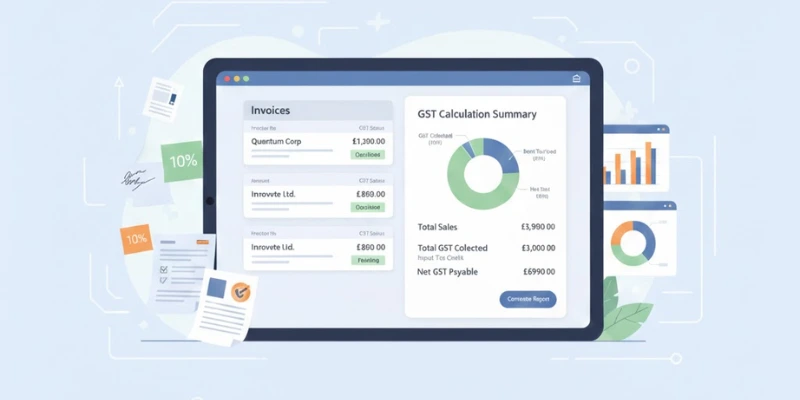
Understanding how GST is calculated using accounting software is a must-have skill for anyone aiming for roles in finance, billing, or taxation. Many freshers struggle to connect GST concepts with practical accounting entries, especially during interviews or real office work. Learning this process early, similar to what learners gain through GST Course in Trichy, helps bridge the gap between theory and real-world business transactions while improving confidence in handling tax-related responsibilities.
Understanding the Basics of GST Calculation
GST calculation begins with identifying the type of supply and applicable tax rates. In India, GST is divided into CGST, SGST, and IGST depending on whether a transaction is intra-state or inter-state. Each tax component is applied as a percentage of the taxable value.
Before using software, it is important to understand how taxable value is determined. This includes the product price, discounts, freight charges, and other applicable costs. Clear conceptual understanding makes software-based calculation much easier.
Setting Up Company Details Correctly
Accurate GST calculation in accounting software depends heavily on correct company configuration. This includes selecting the appropriate country, enabling taxation features, and entering the correct financial year. Any error at this stage can affect all future tax reports.
Company details such as GST registration type, state, and PAN must match official records. These settings help the system automatically apply correct tax rules during transactions and generate compliant GST returns.
Creating GST Ledgers and Tax Structure
GST ledgers represent different tax components such as CGST, SGST, and IGST. Each ledger must be created under the correct group so the software can calculate taxes accurately during sales and purchases.
In addition to tax ledgers, proper duties and tax settings ensure automatic tax calculation. Learning this setup process is a core skill developed during hands-on practice similar to Tally Course in Trichy, where learners understand how ledgers interact with transactions.
Recording Purchase Transactions with GST
When recording purchases, GST calculation depends on supplier location, item taxability, and input tax credit eligibility. The software calculates tax automatically once ledgers and stock items are configured correctly.
Understanding purchase entries helps learners track input tax credit, which directly impacts final GST payable. Interviewers often test this knowledge by asking how incorrect purchase entries affect GST returns and compliance.
Recording Sales Transactions Accurately
Sales entries determine output tax liability, making accuracy critical. Each invoice must include customer GST details, correct tax rates, and proper classification of goods or services.
The software splits GST into applicable components automatically when details are entered correctly. Professionals with exposure similar to GST Training in Erode often understand how mistakes in sales entries can lead to mismatches during return filing.
Viewing GST Reports and Tax Liability
GST reports provide a clear summary of input tax, output tax, and net tax payable. These reports help businesses understand their tax position before filing returns. Knowing how to read these reports is just as important as entering transactions.
Common reports include tax liability summaries and ledger balances. Interview questions often focus on how professionals verify GST data before submission to avoid penalties or compliance issues.
Common Errors and How to Avoid Them
Many beginners make mistakes such as selecting incorrect tax rates, using wrong ledgers, or missing GST details in invoices. These errors can lead to incorrect tax calculation and reporting mismatches. Regular reconciliation, checking reports, and understanding the logic behind calculations help reduce errors. Practical exposure and careful review habits play a major role in becoming confident with GST accounting tasks.
Mastering GST calculation using accounting software is a strong career advantage for roles in finance, billing, and compliance. It helps professionals handle real business scenarios with accuracy and confidence while meeting statutory requirements. As GST regulations continue to evolve, staying skilled in practical accounting tools ensures long-term relevance. Career-focused learning paths like Tally Course in Erode help learners stay future-ready by combining tax knowledge with real-world accounting efficiency.
Also Check: Top Tips to Choose a Perfect GST Software