
Every interactive website you use today, from social media platforms to online shopping stores, relies on a powerful concept known as the Document Object Model (DOM). The DOM is at the heart of how web pages display content and respond to user actions. Understanding the DOM is one of the most important skills for any web developer. If you are looking to enhance your skills, enrolling in a Full Stack Developer Course in Mumbai at FITA Academy can help you master the DOM and connect the static structure of HTML with the dynamic behavior of JavaScript.
What is the DOM?
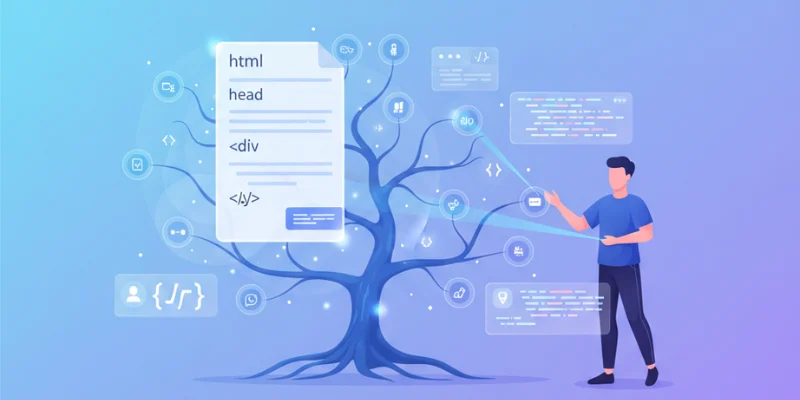
The structure of a web page is represented by a computer interface called the Document Object Model, or DOM. When a browser loads a webpage, it converts the HTML into a tree-like structure where every element becomes a node. This structure includes all tags, attributes, and text content. You can think of the DOM as a map that allows developers to locate, modify, or remove elements on a page.
The DOM acts as a bridge between the content written in HTML and the scripting languages like JavaScript. Through the DOM, developers can make real-time updates to content, adjust styles, and create dynamic features that enhance user experience. To gain hands-on expertise in working with the DOM and other essential web technologies, taking a Full Stack Developer Course in Kolkata can provide practical training and guided learning for aspiring developers.
How the DOM Enables Interactivity
Without the DOM, a web page would be static and unchanging. The DOM allows developers to react to user interactions like clicks, scrolls, or form submissions. For example, when you click a button to show or hide a menu, JavaScript interacts with the DOM to update the display of that section instantly.
Every user interaction triggers an event in the DOM. Programmers can bind event listeners to particular elements, enabling specific actions to take place automatically when those events occur. This interaction is what allows websites to feel alive and responsive instead of being simple text and images.
Why the DOM Matters for Web Developers
For web developers, mastering the DOM is essential because it directly impacts how users experience a site. The ability to manipulate the DOM allows for the creation of animations, pop-ups, sliders, and interactive forms.
A strong understanding of the DOM also helps developers debug issues and improve performance, since every change to the DOM affects how quickly the page updates. To gain practical skills and in-depth knowledge, joining a Full Stack Developer Course in Delhi can offer structured training and hands-on experience for aspiring developers.
In contemporary web development, libraries and frameworks like React and Vue manage DOM manipulation effectively behind the scenes. However, even when using these tools, a clear understanding of how the DOM works helps developers write cleaner, faster, and more effective code.
The Document Object Model is the foundation of web interactivity. It transforms static HTML documents into living, dynamic experiences. By learning how the DOM works, developers gain the power to create websites that respond instantly to user actions and deliver seamless, engaging experiences.
Regardless of whether you’re creating a basic webpage or a sophisticated application, grasping the DOM will consistently be an essential aspect of becoming a proficient web developer. To build practical expertise and master these skills, signing up for a Full Stack Developer Course in Jaipur can provide hands-on training and comprehensive guidance.
Also check: Client-Side Routing vs Server-Side Routing – Pros and Cons