
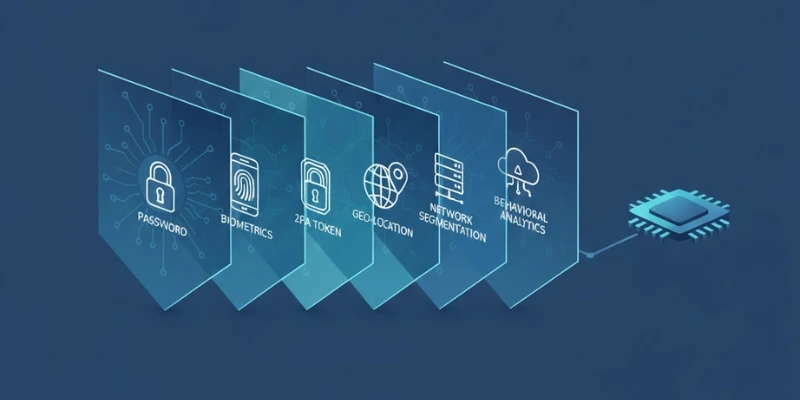
Digital systems are becoming more complex, and so are the threats targeting them. Many beginners entering the cybersecurity field struggle to understand why simple passwords are no longer enough. This is where Multi-Factor Authentication becomes a core concept. Learners exploring security fundamentals through Ethical Hacking Course in Erode often see MFA as a real-world solution that connects theory with how modern organizations actually protect data and user access.
The Limits of Traditional Passwords
Passwords alone have long been the first line of defense, but they come with serious limitations. People reuse passwords, choose weak combinations, or fall for phishing attacks. Attackers take advantage of these habits using automated tools. Understanding these weaknesses helps learners explain in interviews why relying on a single factor creates risk and why additional verification layers are now considered essential in professional security environments.
Understanding Multiple Verification Layers
Multi-Factor Authentication works by requiring more than one type of verification. These factors usually include something you know, something you have, or something you are. Even if one factor is compromised, attackers still face barriers. This layered approach reflects real security thinking and helps beginners understand how defenses are designed to slow down or completely stop unauthorized access attempts.
How MFA Blocks Common Attack Techniques
Many cyberattacks depend on stolen credentials from data breaches or phishing emails. MFA reduces the effectiveness of these attacks by adding extra checks that criminals cannot easily bypass. When learners build technical skills through Ethical Hacking Course in Trichy, they often study attack simulations that clearly show how MFA interrupts brute-force attacks and credential stuffing methods used in real-world hacking scenarios.
User Experience and Security Balance
A common concern is that stronger security may hurt user experience. MFA addresses this by offering flexible options like push notifications or biometric scans. These methods maintain usability while improving safety. From a career perspective, understanding this balance is important, as interviewers often ask how security teams protect systems without frustrating legitimate users or affecting productivity.
Role of MFA in Modern Work Environments
Remote work and cloud platforms have expanded access points for organizations. MFA plays a crucial role in securing logins across devices and locations. Professionals entering the job market through Cyber Security Course in Trichy are expected to explain how MFA supports secure remote access, protects sensitive company data, and aligns with compliance requirements in regulated industries.
Real-World Examples of MFA Adoption
Banks, healthcare systems, and enterprise software platforms widely use MFA today. These industries handle sensitive data and face strict security standards. Understanding these examples helps learners connect concepts to business impact. It also prepares them to answer scenario-based interview questions that test practical knowledge rather than just definitions.
Why Employers Value MFA Knowledge
Employers look for candidates who understand preventive security controls. MFA is often one of the first measures implemented in security improvement plans. Knowing how it works shows that a candidate understands risk management and user protection. This awareness helps beginners stand out by demonstrating readiness for real operational environments rather than just academic understanding.
As cyber threats continue to evolve, Multi-Factor Authentication remains one of the most effective defenses against unauthorized access. For aspiring professionals, mastering this concept builds confidence and interview readiness. Developing a strong foundation through Cyber Security Course in Erode helps learners prepare for future roles where protecting identities and systems is a critical responsibility.
Also Check: Ethical Hacking Tools